- DASH surged over 21% despite the DFSA banning privacy tokens in the DIFC.
- DFSA cites AML and sanctions risks behind its comprehensive privacy token restrictions.
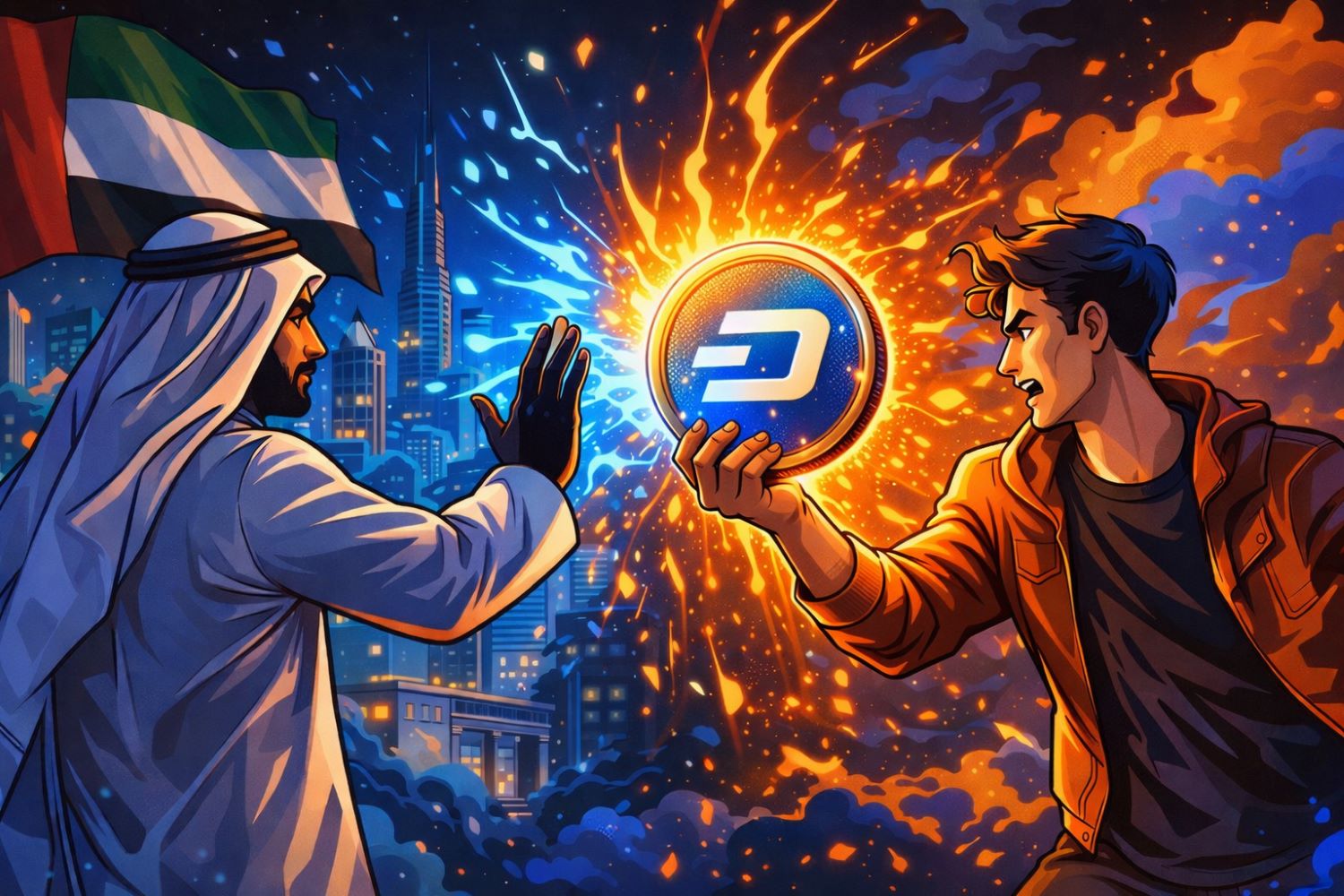
The DASH price surge occurred after the Dubai Financial Services Authority (DFSA) imposed a complete ban on privacy tokens in the Dubai International Financial Centre (DIFC) area on January 12, 2026.
At the time of writing, DASH was trading at around $45.96, up 21.20% in just the last 24 hours, with daily spot volume reaching $45.94 million. This movement drew attention because it occurred amid regulatory pressure that had otherwise restricted the movement of privacy-focused cryptocurrencies like Dash, Monero, and Zcash.
JUST IN: Dubai bans privacy tokens and tightens stablecoin rules as part of broader reset of its crypto regulatory framework. pic.twitter.com/CsY5KMbbdT
— Whale Insider (@WhaleInsider) January 12, 2026
DASH Rallies as Regulatory Pressure Builds
The DFSA’s policy included a ban on the trading, promotion, management of funds, and creation of derivative products related to privacy tokens in the DIFC. The primary reasoning was related to the risk of money laundering and potential violations of international sanctions, given the difficult-to-trace nature of transactions.
Ever since the rule came into effect, firms operating in the DIFC have had to tighten their due-diligence checks on listed assets and make sure every part of their business aligns with updated compliance requirements.
However, the market response has been quite different. Instead of being depressed, DASH has surged sharply. On the other hand, this surge also occurred as market liquidity showed a significant increase, reflected in trading volumes approaching $46 million in a single day.
Late last November, we reported that OKX had relisted DASH on its spot market, thus reopening the token trading access globally. This move provided an additional boost to liquidity and market exposure, especially amid a situation where some jurisdictions were tightening regulations for privacy tokens.
Furthermore, the token’s return to a major platform helped expand the reach of investors, including those from regions that had previously lost access.
Furthermore, Dash also officially joined the Zebec ecosystem as the 19th blockchain integrated into the Zebec Silver and Zebec Carbon personal payment cards. This integration paved the way for the token to be used in real-world payment scenarios, not just as an asset changing hands on a trading screen.
Earlier last November, we noted that community interest in DASH was picking up as discussions around privacy-focused tokens started gaining more traction.
This interest was driven by the perception that DASH offers a combination of transaction privacy and ease of use. In several developing countries, the token is starting to be positioned as a practical payment solution, not just a speculative instrument.