In a major bid to broaden its retail reach, Coinbase stock trading is now part of a wider push linking traditional equities with digital assets on one platform.
Coinbase expands US stock trading rollout
Coinbase has opened its stock trading feature to all users in the United States, after a limited rollout that began in December. The expansion marks a key step in the exchange’s strategy to become a multi-asset venue that goes beyond crypto.
Initially, Coinbase only allowed access to hundreds of tradable stocks following its “System Update” product showcase in December. However, with the full launch, thousands of assets are now available to all U.S. users, according to Mark Troianovski, head of consumer and platform business development at Coinbase.
Moreover, the new equities feature is designed to sit alongside crypto markets within the same app, giving retail traders a unified view of their portfolios. That said, Coinbase still faces entrenched competition from existing retail brokerages in the U.S.
Yahoo Finance integration targets mainstream investors
As part of a new partnership, Yahoo Finance will add a “Trade [asset] on Coinbase” button to individual stock and crypto asset pages. Troianovski confirmed the integration in comments to The Block, but declined to discuss whether Yahoo will receive a fee or revenue share on trades.
Yahoo Finance reports more than 150 million global monthly visitors, giving Coinbase prominent placement in front of a large investing audience. However, the companies did not disclose any financial details of the arrangement.
At launch, the Yahoo Finance integration is focused on the U.S. market. Troianovski said Coinbase is prioritizing the domestic rollout, yet plans to expand its U.S. equities trading products internationally over the coming months.
Commission-free stock and ETF trading on Coinbase
The new equities offering enables commission-free trading 24 hours a day, five days a week, on eligible stocks. Fees may still apply for certain transaction types, underscoring that some costs can vary depending on how trades are executed.
Users can trade more than 8,000 stocks and exchange-traded funds and can fund transactions using U.S. dollars or the USDC stablecoin. Moreover, Coinbase supports fractional shares for eligible securities, allowing customers to start investing with as little as $1.
This structure is meant to appeal to smaller retail investors who are accustomed to low minimums and app-based trading. However, it also places Coinbase in more direct competition with fintech players such as Robinhood, which already offers zero-commission equity trading.
Coinbase steps up everything-exchange strategy
The expansion of stock trading pushes Coinbase further toward its stated goal of becoming an “everything exchange” spanning crypto, equities, and potentially other asset classes. In practice, that means the company aims to diversify revenue beyond digital asset trading.
The platform’s move into U.S. equities also intensifies the broader coinbase vs robinhood competition narrative in the retail trading space. Moreover, it highlights how crypto-native platforms are targeting users who want both traditional securities and digital assets in a single interface.
With the broader rollout, coinbase stock trading is positioned as a core part of the firm’s long-term product roadmap rather than an experimental feature. That said, success will depend on sustained user adoption and the ability to differentiate from incumbent brokers.
Financial backdrop: Q4 loss amid softer markets
The launch comes shortly after Coinbase reported weaker results for the fourth quarter. Earlier this month, the company disclosed that it swung to a loss as market conditions softened across digital assets and trading volumes.
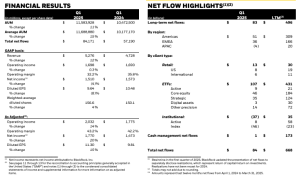
Coinbase posted total Q4 revenue of $1.8 billion, down 5% from the prior quarter. Transaction revenue fell 6% quarter over quarter to $983 million, while subscription and services revenue slipped 3% to $727 million.
The company recorded a net loss of $667 million for the quarter, compared with a profit in the previous period. However, management is clearly looking to offset volatility in crypto markets by building out non-crypto revenue lines such as stock trading and related services.
Tokenized stocks and international expansion plans
Looking ahead, Coinbase said it intends to offer tokenized stocks, adding another digital layer to traditional equities. The company plans to share further details on these products in the coming months, signaling that tokenization remains a central part of its long-term strategy.
In parallel, Coinbase expects to expand its stock perpetual products this spring. These instruments would allow traders outside the U.S. to gain 24/7 exposure to U.S. equities through Coinbase Bermuda Ltd., subject to regulatory approval.
Those perpetual products will not be available to U.S. persons. However, the international push underscores ongoing coinbase international equities expansion efforts and highlights how the firm is targeting global demand for U.S. markets via derivatives-like offerings.
Details of the Yahoo Finance partnership
The Yahoo Finance partnership also includes a promotional offer. Under the deal, Yahoo Finance users will be offered a one-month free trial of a Coinbase One Basic membership, which features benefits such as zero trading fees and USDC rewards.
George Leimer, general manager at Yahoo Finance, said the tie-up reflects a “clear shift in investor behavior” as users increasingly weigh digital assets alongside traditional investments. Moreover, he emphasized that the collaboration is designed to serve everyday investors who do not necessarily need advanced trading tools.
This alliance builds on Yahoo Finance’s broader push into digital assets. The platform recently launched a prediction markets hub with Polymarket and is preparing a dedicated crypto hub that will aggregate news, data, and analysis from “more than a dozen” publishers.
Operational partners and market positioning
Separately, Coinbase has partnered with Apex Fintech Solutions for clearing, custody, and execution services related to its equities business. That arrangement is designed to leverage Apex’s infrastructure while allowing Coinbase to focus on product and user experience.
Moreover, by combining stock, ETF, and crypto trading under one roof, Coinbase is positioning itself as a gateway platform for investors who want cross-asset access. However, regulatory scrutiny and competitive pressures from established brokers and other fintechs will remain key challenges.
Overall, the Yahoo Finance integration, new equities capabilities, and future tokenization plans underscore Coinbase’s ambition to evolve from a pure crypto exchange into a broader, multi-asset financial platform.